The inclusion of people with disabilities in the world of work: a collective effort by businesses and society
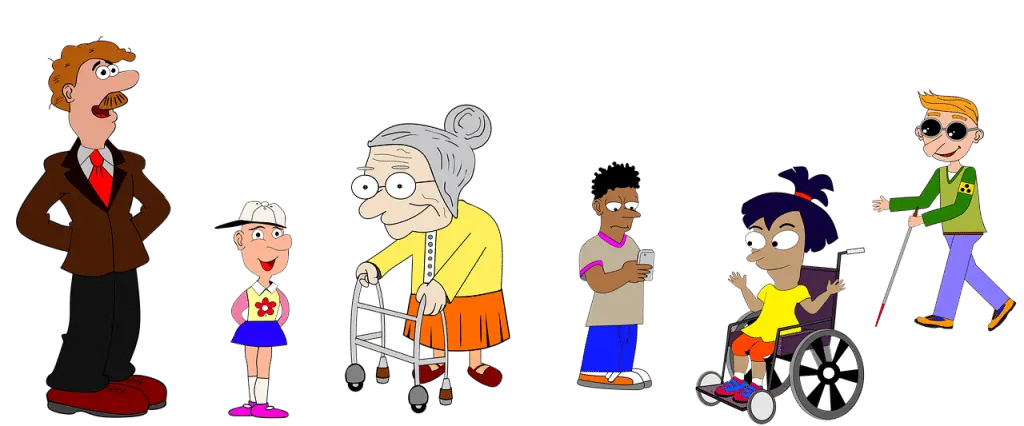
In today’s world, the inclusion of people in situations of disability in the professional environment has become a priority. However, many barriers remain to be overcome, despite the progress made by various legislations such as the Equal Rights Act of 2005. It is imperative not only for businesses but also for society to work together to ensure an inclusive and fair working environment for all.
The implementation of inclusive policies has been strengthened by organizations like theAgefiph, which plays a crucial role in supporting the employment and retention of people with disabilities. In collaboration with local entities, Agefiph raises companies’ awareness of existing aid and good practices, thus promoting the inclusion of people with disabilities.
Despite these efforts, a recent survey reveals that 63% of disabled people have had to change careers due to their disability. This shows that there is still a way to go to establish real equality of opportunity in the workplace. THE initiatives Current policies encourage peer-to-peer collaboration to share feedback and promote sustainable change regionally and nationally.
The Challenges of Including People with Disabilities in Employment
In today’s professional landscape, the inclusion of people with disabilities remains a major challenge. There law of 2005 imposes on companies with more than 20 employees a quota of 6% of disabled workers, but less than a third of companies comply with this obligation. These alarming figures highlight the need for increased awareness and a collective effort to break down existing barriers.
Overcoming Prejudices and Stereotypes
Stereotypes remain omnipresent in the perception of disabilities. Many associate disability with diminished abilities, thereby overlooking the diversity and potential of affected individuals. To break these stereotypes, employers must be made aware and trained to recognize and value the skills of each individual.
Accommodations and Adaptations
Workstation personalization is another crucial aspect of inclusion. With aid such as that offered by theAgefiph, companies can effectively adapt their work environments to the specific needs of workers with disabilities, improving their productivity and well-being.
Different Approaches to Inclusion
An effective way to progress towards inclusion is the exchange between companies that have already implemented innovative strategies and those that are starting out in this process. THE pioneering companies organize sharing sessions to support more novice structures, thus allowing a transfer of knowledge and expertise.
Initiatives such as awareness raising and training sessions can also play a vital role. They help instill a culture of inclusion among all employees and ensure that everyone understands the importance and benefits of an inclusive workplace.
Societal and Economic Impact of Inclusion
The inclusion of disabled people benefits not only the employees directly affected, but also society as a whole. A more inclusive society is synonymous with diversity, innovation, and cultural richness. Companies also gain notoriety and attractiveness when they implement inclusive policies.
Effect on Productivity and Innovation
A increased diversity within teams boosts innovation thanks to the multiplicity of perspectives and experiences. Organizations that include workers with disabilities often see an increase in creativity and productivity.
Engagement and Loyalty Results
Entities that value inclusion benefit from greater employee loyalty. This reduces turnover, thereby lowering recruitment and training costs. Additionally, workers in an inclusive environment are generally more engaged and motivated.
Government and Legislative Initiatives
Governments have recognized the importance of inclusion. Of the legislative initiatives are put in place to ensure that companies take disabled people into account in their recruitment and job retention strategies. Employers who do not respect the imposed quotas risk penalties in the form of financial contributions.
Thus, the integration of inclusion policy at the heart of legislation helps to advance the cause, while stimulating the commitment of industries towards meaningful and lasting change.
The Roles of Associations and Education
In addition to businesses and governments, associations play a crucial role in the inclusion process. Their work often involves supporting, guiding and advising individuals with disabilities and their employers. They offer a variety of services ranging from training to psychological support.
Education and Awareness
Education is essential to change mentalities. School curricula must incorporate modules on inclusion to prepare future generations to live and work in an inclusive society. Dedicated days such as inclusion week are also an opportunity to raise awareness among the general public of the rights and capabilities of people with disabilities.
Collaboration between the Public and Private Sectors
Collaboration between the public and private sectors is essential to advance inclusion. The initiatives put in place by the government must be complemented by concrete efforts from businesses for them to be effective. THE public-private partnerships allow us to bring together the resources, experiences and expertise of each sector to create a truly inclusive framework.
In exploring these various aspects of disability inclusion, it is clear that it is a collective effort. By joining forces, we can create a better future where everyone has a place in the world of work. For this, it is crucial to raise awareness, educate and act today to guarantee an inclusive future both in businesses and in our society.
Read next
 Training
Who are the job seekers in Caledonia? Portrait of men, seniors and experienced candidates
New Caledonia is going through a complex period where the job market is undergoing rapid change. With more than 11,000 j
 Training
Home-based jobs: the government’s focus on tax credits explained
Every year, the tax credit for home employment raises crucial questions in France, stimulating discussions between autho
 Training
A job-dating event in Istres: Objectif emploi connects young people with companies looking for talent
In Istres, the red ribbon was cut to inaugurate a highly innovative initiative: a job dating event that aims to bring to