Brittany in search of a thousand roofers for its roofs
Contents8
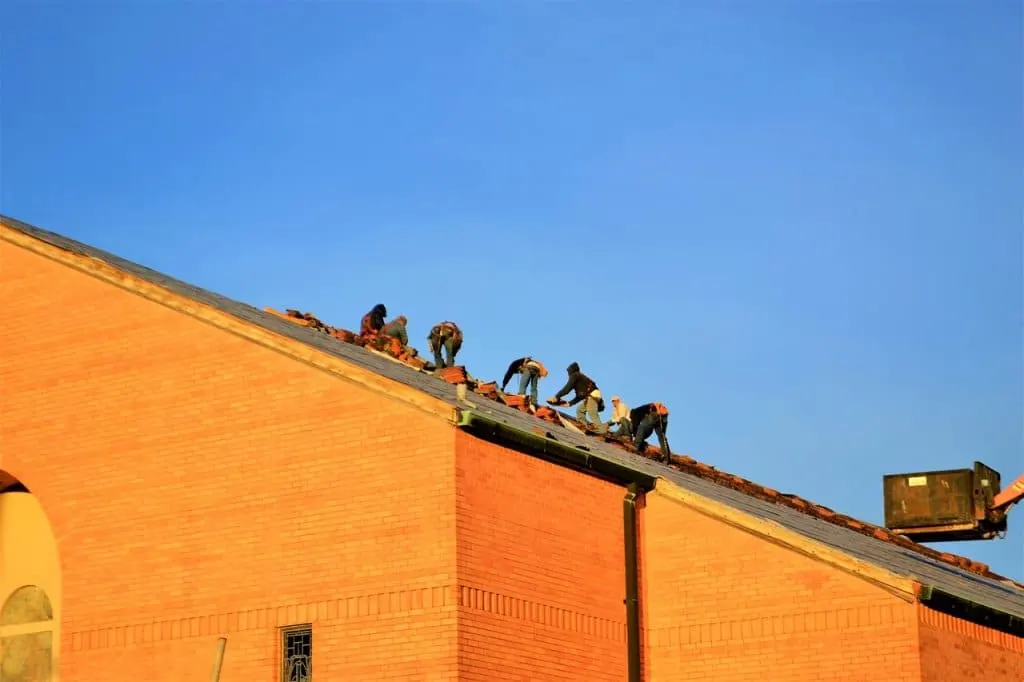
There Brittany, land of tradition and heritage, today finds itself facing a major challenge: an alarming shortage of roofers, these craftsmen essential to the preservation of our roofs. While the storm Ciaran revealed the fragility of many Breton roofs and exacerbated an already tense situation, it appears crucial to recruit a thousand additional professionals. Behind these figures lie not only repair needs, but also the opportunity to enhance and protect our architectural heritage unique. Responding to this growing demand is essential to ensure the sustainability of our infrastructure and offer a future to a sector that is struggling to attract young talent. By entering the world of roofers, you embark on a career rich in know-how, where the modernization of techniques and the quest for excellence open the way to new vocations.
In Brittany, the roofers have always played an essential role in the preservation and enhancement of the region’s architectural heritage. Historically, their expertise was not only in building waterproof roofs, but also in creating structures that enhance Breton cultural identity. Preserving the authenticity of buildings while ensuring protection against bad weather is an integral part of their missions.
Breton roofers have been able to take advantage of local materials to reflect the raw beauty of the Breton landscape. Among these materials, slate occupies a special place. Rich in quality deposits, particularly around Châteaulin and Pontivy, Brittany slate is renowned for its durability and its ability to withstand the harsh climates of the region. It gives Breton roofs this dark and elegant shade which echoes the hollows and bumps of the local environment.
In addition, in some coastal areas, thatch was widely used in the past. Although this material is less widespread today, it represents a significant part of the architectural heritage, giving homes a warm and bucolic appearance.
Beyond these iconic materials, roofers in Brittany have also adopted traditional, sometimes millennia-old, installation techniques that adapt to the specific geometric shapes of typical homes in the region. Their work not only guarantees the solidity and aesthetics of roofs, but also reinforces the cultural and historical identity of Brittany.
In Brittany, the roofing sector is going through a period of great tension, not finding enough professionals to meet the growing demand. After the passage of major storms such as Ciaran and Darragh, roofers have been in high demand to repair damaged roofs, which has exacerbated the pressing need for additional labor in the region. According to Marie-Laure Le Priol, co-manager of the company Elie Le Priol Couverture in Pontivy, only a fraction of customer requests, barely 30%, are currently honored. This difficulty is shared by the majority of Breton companies in the sector, which are actively seeking new talent to fill persistent gaps in the labor market.
Difficulties and challenges in the sector
Several factors accentuate this imbalance between supply and demand. First of all, the
aging property stock in Brittany requires major renovation work. Owners, often dissuaded by the high cost of roof renovations, tend to postpone this work, which ends up leading to more expensive projects and longer deadlines. In addition, the
climatic hazards are multiplying, further damaging Breton roofs. Roofing companies find themselves with already saturated order books. In Brittany, these bad weather conditions are forcing some professionals to complete repairs late, sometimes until 2025. Furthermore, a large majority of companies have small structures, often made up of less than 10 employees, where business leaders must juggle production and customer relations, aggravating the problem in the absence of administrative support or manpower. sufficient work.
Training and recruitment, a crucial issue
There
training of young people is also insufficient to meet regional needs. In Morbihan, for example, only forty new roofers should obtain their CAP by 2025, a derisory number given current demand. It is also necessary to take into account the training time required post-CAP, often five years, before a roofer becomes fully operational. Although the profession tends to
feminize **, professionals also highlight a slight improvement in working conditions thanks to technical innovations, such as the use of new lifting means.**THE
wages constitute an increasingly recognized attraction, with remuneration slightly above the building scale, fluctuating between 2,000 and 3,000 euros gross, depending on the experience, department and skills of the roofers. However, market pressure on recruitment further accentuates the shortage. discover the best roofers for all your roofing needs. expertise, quality and tailor-made service to guarantee the protection and aesthetics of your home. get a free quote today!
roofing professions . Following disruptive weather events like Storm Ciaran, businesses are struggling to recruit the talent needed to meet the growing demand for renovation and repair work. Several initiatives are planned to compensate for this lack ofroofers **, thus ensuring the protection and enhancement of our Breton roofs.**Innovative Training Programs
The establishment of
adapted training is crucial to preparing the new generation of roofers. The sector could benefit from a significant increase in the number of CAP coverage graduates, to move towards a sufficient workforce in line with regional needs. Training centers in Brittany are already developing courses that integrate modern technologies, such as the use of new lifting systems intended to improve working conditions on site. Subsidies and Financial Aid
To stimulate interest in this essential profession, it is necessary to highlight the
financial incentives intended for roofing companies. Government and regional grants can help provide additional training in companies or promote process mechanization and ergonomics in the workplace. At the same time, aid for the purchase of modern and secure equipment could ease the financial burden on small structures. Professional Incentives and Attractive Remuneration
Salary conditions in Brittany are encouraging for future roofers, with remuneration generally higher than the traditional building scale. Gross salaries oscillating between
2,000 and 3,000 euros can motivate entry into the profession, especially since these amounts are often supplemented by various bonuses. In addition, the profession is starting to feminize **, bringing beneficial diversity to this evolving sector.**In a Brittany constantly adapting to climatic hazards and the demographic evolution of its real estate stock, it is imperative to increase initiatives to recruit more than a thousand roofers necessary to preserve its heritage.
The sector of
coverage in Brittany is going through a critical period, exacerbated by bad weather such as storm Ciaran, which placed heavy demands on roofing professionals. Currently, there is a shortage of more than a thousand roofers to meet the growing needs of the region. Marie-Laure Le Priol, co-director of the Morbihan roofing company Elie Le Priol, expresses her concern: “We are barely able to respond to 30% of customer requests. » A problem that affects the
majority of Breton companies **, where nearly 90% struggle to find candidates.**Sector Challenges: Aging Real Estate and Climate Hazards
Faced with a
aging housing stock , roofing work is often postponed by owners, thus increasing costs and delays. THEclimatic hazards **, such as Storm Ciaran, have also increased demand, saturating already full order books.**The situation is further complicated by the fact that more than 70% of Breton roofing companies have fewer than 10 employees. Many business leaders must juggle production on site with managing customer relationships, making recruitment even more pressing.
Train the New Generation of Roofers
The lack of talent is also explained by the absence of
young people trained **. In Morbihan, only around forty new roofers will obtain their CAP in 2025. It generally takes five years of practice to become fully operational.**Working conditions are improving with the increasing use of new tools, but financial motivations remain a major attraction. In Brittany, salaries are between 2,000 and 3,000 euros gross, accompanied by various bonuses and benefits.
Roofer Testimonials
Marc, an experienced roofer from Rennes, shares: “Each roof that we restore is a part of Breton heritage that we protect. It’s gratifying to see our know-how bringing these buildings back to life. »
Élodie, a roofer who recently entered the profession, says: “I really appreciate the team spirit on the construction sites and the visible impact of our work. It’s a physical job, certainly, but also intellectually stimulating with new technologies. »
This positive perception sums up the reasons that could encourage others to join this sector. Maintaining and restoring the roofs of Brittany means actively contributing not only to a profession of the future but also to the preservation of a
precious architectural heritage **.**https://www.youtube.com/watch?v=6o73b3Bkm3w
Read next
 Training
For seniors over 59, the secrets of a successful job search
In a dynamic and constantly evolving job market, finding a job after age 59 can seem like a considerable challenge. Howe
 Training
Employment: The mysterious disappearance of more than seven thousand former employees since the riots
In April 2025, a worrying figure drew attention at a social and fiscal conference in Nouméa: more than 7,000 former empl
 Training
The energy industry is positioning itself as a dynamic job creator in Brittany
In Brittany, the energy industry is much more than just an economic driver; it is proving to be a veritable breeding gro
 Training
Job market in Brittany: a magnet for locals, but less so for new arrivals
Brittany, a land of traditions and picturesque landscapes, does not only attract holidaymakers with its magnificent coas